
August brings a brief breathing room between summer heat and winter frost. While the weather stays warm, this seasonal window offers a prime opportunity to inspect a property before autumn arrives. Taking care of small tasks right now prevents costly emergency repairs when temperatures drop.
This practical late-summer checklist covers five critical areas to inspect before turning on the furnace.
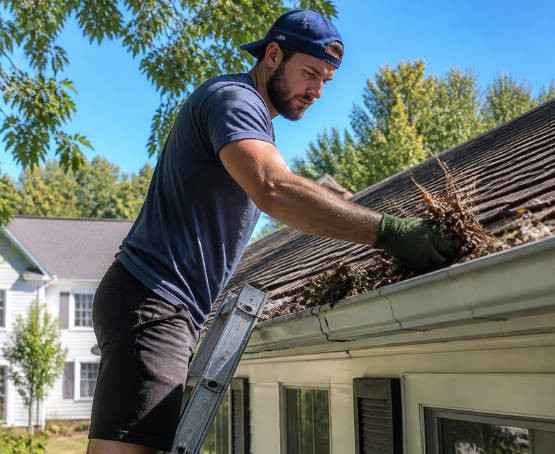
- Clean Gutters and Inspect the Roof
Waiting until late autumn to check gutters often means working in freezing rain or dealing with ice dams later.
- Remove Debris: Clear out summer twigs, pine needles, and dirt build-up so heavy autumn rains drain freely.
- Check Downspouts: Flush downspouts with a garden hose to verify water flows away from the foundation.
- Spot-Check Shingles: Look from ground level or a secure ladder for cracked, buckling, or missing shingles after intense summer storms.
- Verify Window and Door Seals
Leaky windows and doors waste air conditioning in August and heat in October. Finding gaps now keeps utility bills manageable.
- The Flashlight Test: Have someone stand outside at night while shining a flashlight around door frames. If light shines through, air escapes.
- Replace Worn Weatherstripping: Brittle or torn rubber seals lose effectiveness. Pull off old strips and apply fresh foam or rubber seals.
- Examine Exterior Caulk: Look for cracking along window casing and apply outdoor-rated caulk to seal open seams.
- Service the HVAC System After Summer Strain
Air conditioning units work overtime during July and August. Transitioning directly into heating season without maintenance puts severe stress on the entire system.
- Swap the Filter: A clogged filter forces systems to run longer, raising energy bills and risking motor damage.
- Clear Around the Outdoor Unit: Cut back weeds, vines, and shrubs to leave at least two feet of clear space around the exterior condenser.
- Schedule Professional Maintenance: A technician can clean internal components, check electrical connections, and verify the furnace functions safely before freezing temperatures hit.
- Test Smoke and Carbon Monoxide Detectors
Home fires increase during autumn and winter due to heating equipment, fireplaces, and holiday cooking.
- Press the Test Button: Verify the audible alarm functions on every level of the home.
- Replace Batteries: If the units beep or haven’t had fresh batteries in six months, swap them out immediately.
- Check Expiration Dates: Most alarms last 10 years. Look at the manufacture date printed on the back of the device; replace old units completely.
- Inspect Exterior Faucets and Foundation Vents
Freezing temperatures cause trapped water in pipes to expand, leading to burst water lines inside crawlspaces and walls.
- Disconnect Hoses: Remove garden hoses from exterior spigots before the first frost to let water drain completely from the pipe.
- Look for Foundation Cracks: Check the concrete foundation for small openings where pests might try to enter as the weather cools.
- Manage Vent Covers: Prepare to close crawlspace vents to protect plumbing from cold drafts.
The Bottom Line: Home maintenance feels simpler when completed in sunshine rather than an autumn downpour. Spending a weekend tackling these quick visual checks protects property value and keeps heating systems running efficiently through the colder months ahead.
Recent Comments